Dr. Oliver Molina | Assistant Director of Bands, Director of Percussion Studies at Northwestern State University of Louisiana
Louisiana Music Educators Association | Sunday, January 19, 2025 | 10:15 AM
TIME MANAGEMENT
A bullet journal (BuJo) is a personalized journal that combines a planner, to-do list, and diary. It’s a system for organizing thoughts, goals, and tasks using bullet points, symbols, and collections
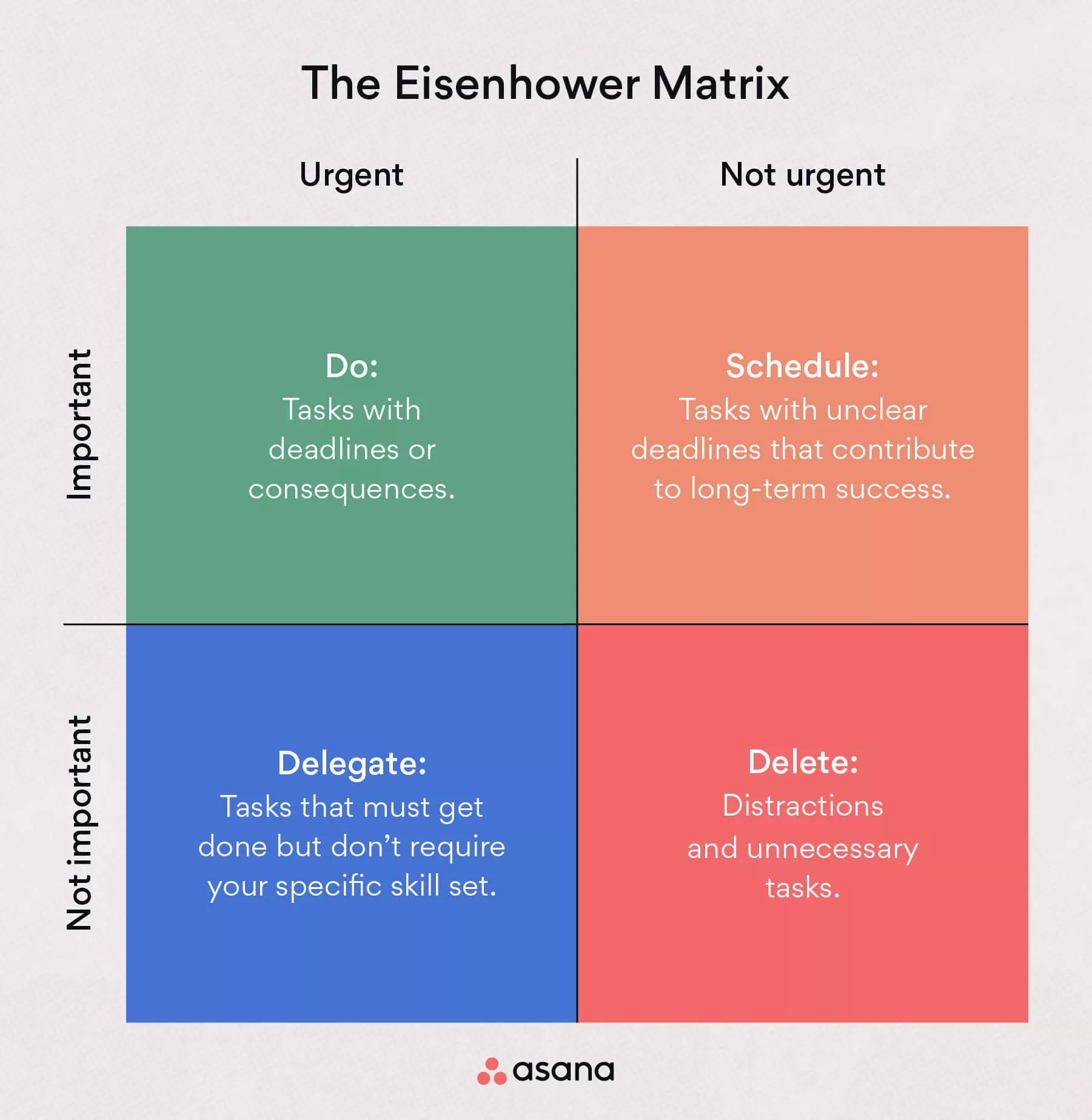
The Eisenhower Matrix is a time management tool that helps people prioritize tasks by dividing them into four categories based on urgency and importance. It can help people focus on what’s most important and manage their time more effectively.
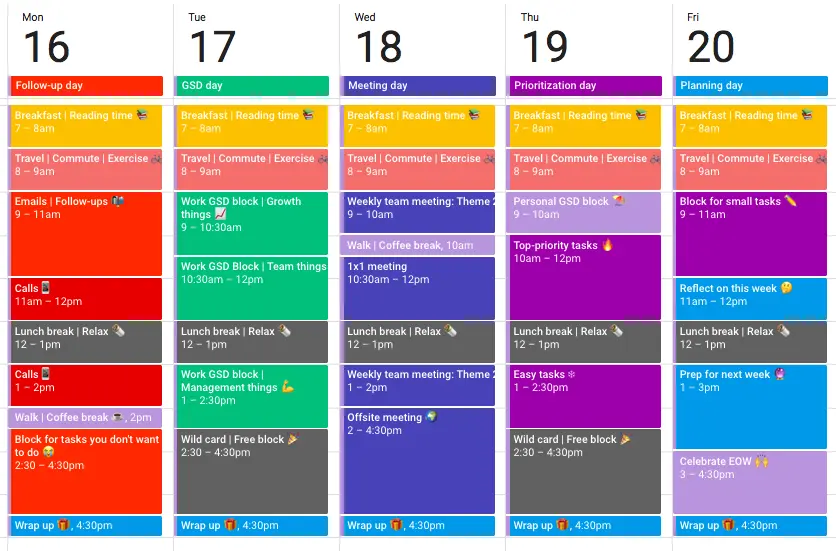
Block scheduling is a list of events or tasks that are planned to occur at specific times. It can be used to manage time, organize tasks, and track progress. It helps an individual prioritize the tasks and projects on their to-do list.
Non-negotiables
Get clarity on what matters most. Have a list of your priorities and put them first. Top three priorities in order 1) self-care 2) relational priorities 3) professional results.
Full Focus
Realize that multitasking is a myth. You can only really focus on one thing at a time to ensure quality and better time management. Use the Pomodoro Technique to hone in on the task at hand. Additionally, limit your workday and don’t bring work home. This will allow you to focus to get everything done in a shorter amount of time.
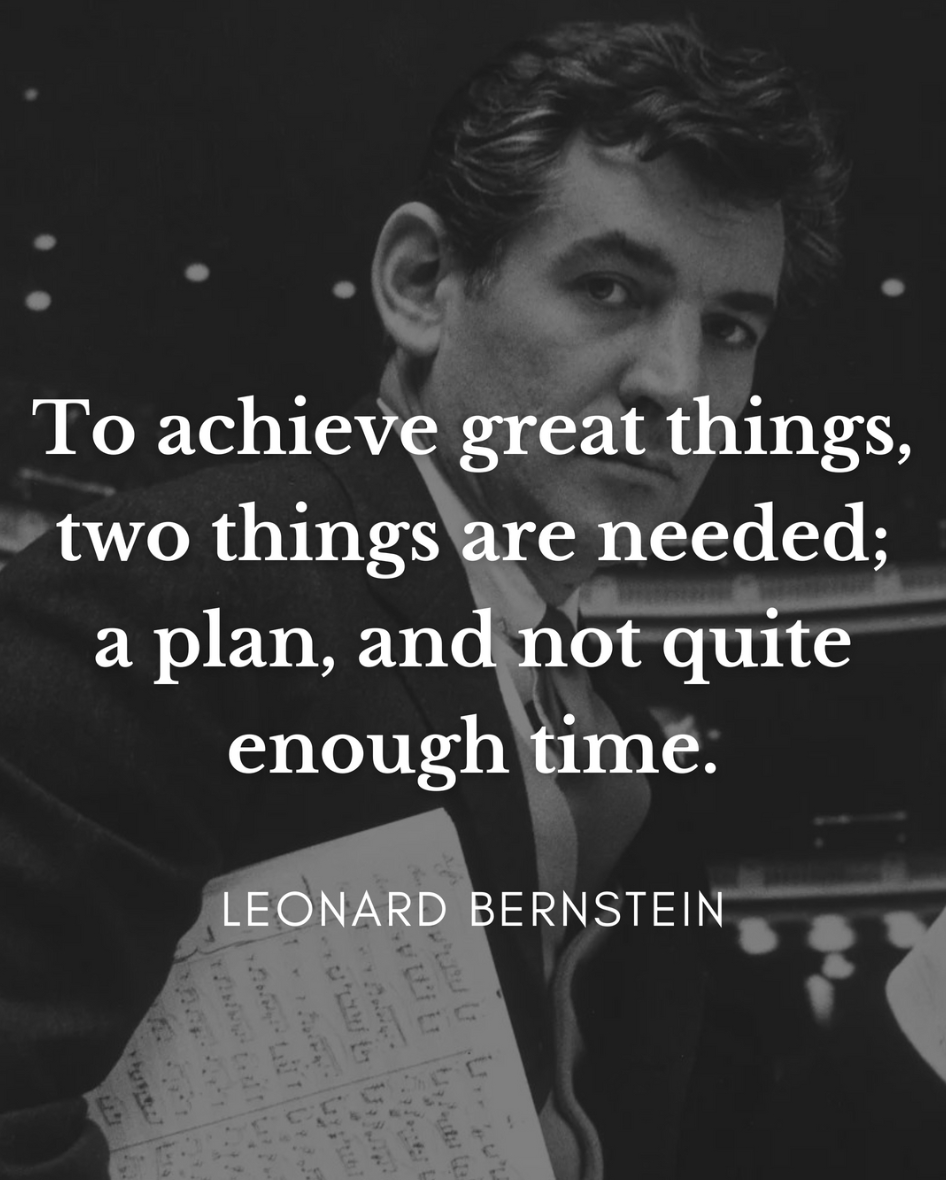
MENTAL HEALTH
Understanding stress is essential to recognizing its impact on our lives. Stress is the body’s natural response to perceived threats, whether real or imagined.
According to the American Psychological Association (APA), the top five causes of stress are:
- Money: In an APA survey, 72% of adults reported feeling stressed about finances. Concerns may include retirement savings, college tuition, and housing costs.
- Job Pressure: Workplace stress often stems from conflicts with coworkers or supervisors and from work overload.
- Health: Health issues, such as chronic illnesses or medical scares, are significant stressors that can worsen other challenges.
- Relationships: Difficulties in romantic, familial, or platonic relationships can negatively affect overall well-being.
- Poor Nutrition: Inadequate nutrition stresses the body. For instance, excessive caffeine consumption can trigger physical anxiety symptoms like a racing heart.
Other common stressors include:
- Poor time management
- Feeling overwhelmed by taking on too many responsibilities
- Major life changes, such as the loss of a loved one or a job
SELF-CARE TIPS
Self-care means dedicating time to activities that enhance your physical and mental well-being. Prioritizing self-care helps you manage stress, lower your risk of illness, and boost your energy levels. Even small daily practices can make a significant difference.
- Exercise Regularly: Aim for 30 minutes of physical activity daily, such as walking, to improve your mood and health. If 30 minutes at once isn’t possible, break it into smaller sessions throughout the day.
- Eat Well and Stay Hydrated: Maintain a balanced diet and drink plenty of water to enhance energy and focus. Monitor your caffeine and alcohol intake, adjusting as needed to support your mood and well-being.
- Prioritize Sleep: Stick to a consistent sleep schedule and ensure you’re getting enough rest. Minimize blue light exposure from screens before bedtime to improve sleep quality.
- Engage in Relaxing Activities: Try relaxation techniques such as meditation, deep breathing, or muscle relaxation. Schedule time for hobbies and activities you enjoy, like reading, listening to music, or spending time in nature.
- Set Goals and Priorities: Focus on what needs immediate attention and let go of non-urgent tasks. Learn to say “no” when overwhelmed, and celebrate your accomplishments at the end of each day.
- Practice Gratitude: Reflect on what you’re thankful for daily. Write these thoughts down or keep them in mind to build a positive outlook.
- Stay Positive: Identify and challenge negative thoughts, replacing them with constructive and optimistic perspectives.
- Stay Connected: Reach out to friends and family for emotional support and practical assistance when needed.
By incorporating these practices into your routine, you can enhance your overall well-being and lead a more balanced, fulfilling life.
PREVENTING BURNOUT
Job burnout is a form of work-related stress that leads to physical and emotional exhaustion, feelings of helplessness, and a sense of emptiness. While not a medical condition, burnout can increase the risk of depression, though the two are distinct and require different treatments. Factors such as personality traits and past work experiences can influence susceptibility to burnout, explaining why individuals may respond differently to similar job challenges. Regardless of its cause, burnout can significantly impact both mental and physical health, making it important to recognize the signs and take steps to address it.
Job burnout can stem from various causes, including:
- Lack of control: Limited input over your schedule, tasks, or workload, as well as insufficient resources, can contribute to burnout.
- Unclear expectations: Uncertainty about what is expected from you by your boss or colleagues can hinder your sense of accomplishment.
- Conflicts with others: Difficult relationships, such as dealing with a bully, feeling unsupported by coworkers, or having an overly controlling boss, can add to workplace stress.
- Imbalanced workload: Whether your job is monotonous or overwhelmingly demanding, both situations can drain your energy and lead to burnout.
- Lack of support: Feeling isolated at work or in your personal life can heighten stress and contribute to burnout.
- Work-life imbalance: When work consumes so much time and energy that little is left for family or personal activities, the lack of balance can lead to burnout.
These factors can combine to create a challenging and exhausting work environment, making it essential to identify and address them.
FINAL THOUGHTS
Taking small, manageable steps is often more effective than striving for perfection, as even small progress is better than none. Strive to be a positive role model that showcases a healthy work/life balance for both students and family. Envision the life you want to lead by writing it down to create clarity and focus. Finally, commit to making the necessary changes to align with that life you want.
Recommended Books to Read:
Win at Work and Succeed at Life | Michael Hyatt and Megan Hyatt Miller
The Subtle Art of Not Giving a F*ck | Mark Manson
 OLIVER MOLINA